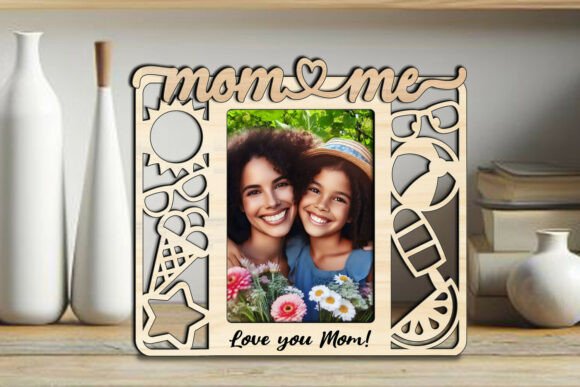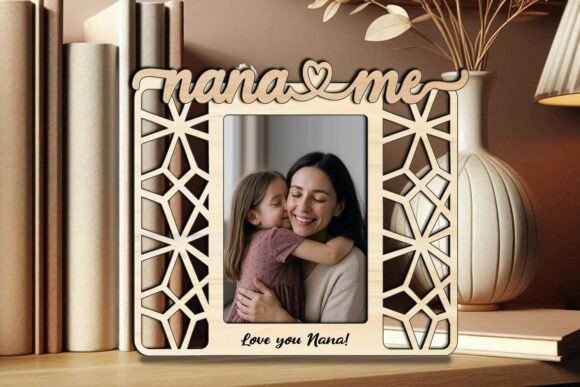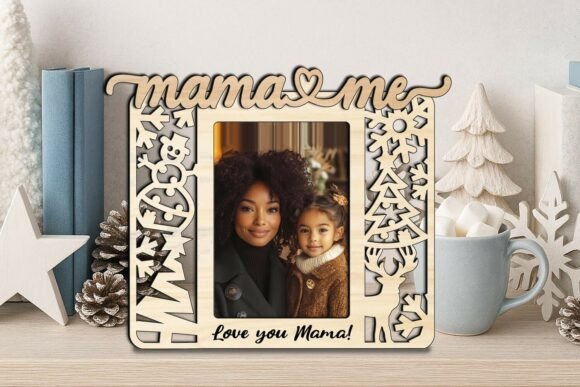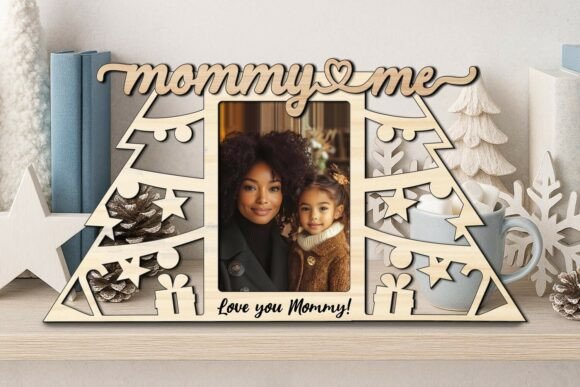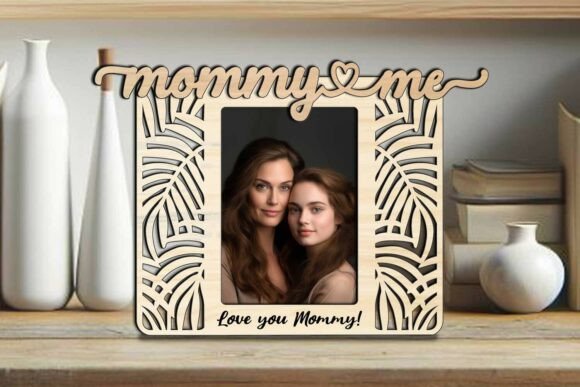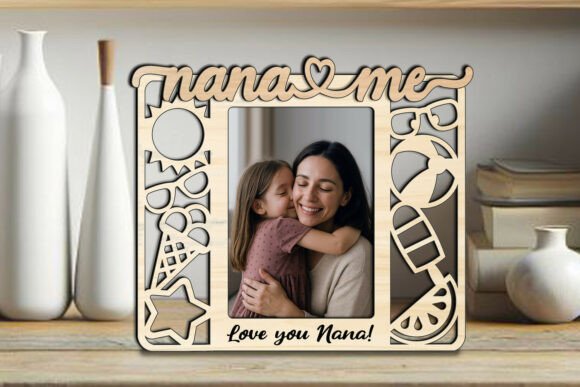
Summer Vibes Nana and Me Photo Frame SVG
A Designer’s First Look: Warm, Whimsical, and Ready for Stitching
Opening the Summer Vibes Nana and Me Photo Frame SVG file, I immediately felt its gentle intention—sun-dappled, tender, and quietly joyful. It’s not loud or overly ornate; instead, it leans into soft curves, balanced negative space, and a layered silhouette that suggests both memory and presence. As a designer who regularly tests embroidery files for real-world use—whether on a linen tea towel for a boutique launch or a cotton onesie for a baby shower—I appreciated how the composition avoids visual clutter while still carrying emotional weight. The “Nana and Me” motif reads clearly at a glance, and the summer elements (think subtle sunbursts, leafy flourishes, and open-frame structure) feel integrated—not tacked on. This isn’t just clip art dressed up as embroidery-ready; it’s a machine embroidery design built with intentionality in mind.
Where It Shines: Real Projects That Feel Thoughtful
Last week, I prepped a small batch of personalized tote bags for a local craft fair—each one meant to be gifted by grandchildren to their grandmothers. I used the Summer Vibes Nana and Me Photo Frame SVG as the centerpiece on a 9-inch hoop, stitching it onto natural canvas with ecru thread and light tear-away stabilizer. The result? Clean satin-stitched borders, legible script without bleeding, and a sense of handmade warmth that customers paused to touch. It worked equally well on a lightweight sweatshirt (with cutaway stabilizer), where the fill stitch held shape without puckering, and on a kitchen towel, where the open frame let the fabric texture show through—enhancing, not competing with, the design.
I’ve also tested it as an embroidered patch for a children’s apron line. Mounted on twill with heat-activated adhesive backing, the layers translated beautifully: no distortion in corners, no thread nesting in tight curves. For holiday embroidery or Mother’s Day bundles, this design adds sincerity without cliché—especially when paired with a small printed photo tucked behind the frame (just as the product description hints: “slide in the back pocket”). It fits naturally into small shop product storytelling, whether you’re an Etsy seller, a nursery decor maker, or a craft business building seasonal collections.
Where to Proceed With Care
This isn’t a one-size-fits-all digital embroidery file. Its charm lives in detail—so it demands thoughtful execution. On stretchy fabric like jersey knits or thin baby rib knit, I recommend basting + medium-weight cutaway stabilizer to prevent distortion around the inner frame edge. Tiny lettering (like the “Me” in the lower curve) can blur on textured fabrics like terry cloth or heavy linen unless stitch density is slightly increased in that zone—check your software preview before hooping. And while it scales well down to 4.5 inches, avoid going smaller than that for caps or curved surfaces; the delicate vines and fine outlines lose definition under tight tension.
On dark fabric, contrast matters more than usual—the design relies on clarity of form over boldness. I tested it in black thread on navy cotton and found the inner details softened; switching to cream thread restored balance instantly. Also note: because it’s structured as a multi-layered frame, dense fill areas (like the sunburst base) benefit from a brief pause mid-stitch to trim jump threads—especially if you’re running multiple units for a commercial embroidery order.
Design Assets That Build Trust—Not Just Aesthetics
What makes the Summer Vibes Nana and Me Photo Frame SVG stand out among hundreds of similar graphics is how it supports authenticity. Customers don’t just buy a stitched image—they buy the feeling of connection. When used on a personalized gift, it signals care. When featured in a printable mockup for your Etsy listing, it conveys professionalism without stiffness. I’ve watched buyers linger longer on listings where this design anchors the visual story—especially when shown alongside real-life context: a grandmother holding her grandchild, a sunlit porch, a stack of folded tea towels.
That said, its value hinges on execution. A poorly stabilized version on a lightweight blouse will read as amateurish. A high-density version on a delicate silk blend may overwhelm. So treat it like a collaborator—not a plug-in. Let it guide your choices: stabilizer type, thread palette, fabric selection, even packaging tone.
Practical Notes Every Embroidery Designer Should Run Through
- Always test the Summer Vibes Nana and Me Photo Frame SVG on scrap fabric first—especially if using it for custom apparel or baby embroidery.
- Check thread colors against your base fabric in both natural and artificial light. What reads warm in daylight may look muddy under store lighting.
- Review stitch density in software—look for potential crowding near the inner frame corners and adjust if needed.
- Confirm hoop size compatibility with your machine and project surface (e.g., a curved cap bill vs. flat pillow cover).
- Inspect tiny details like leaf tips and letter serifs in your embroidery software’s outline view—don’t assume they’ll auto-optimize.
- Test it in black-and-white mockups to assess contrast and hierarchy before committing to color.
- Compare performance on both light and dark backgrounds—it behaves differently on each.
- Use proper stabilizer: tear-away for stable wovens, cutaway for knits or stretchy items, and fusible for patches.
- Verify licensing terms before selling finished items or bundling the embroidery file with other design assets.
Final Thought: A Quiet Design That Speaks Volumes
The Summer Vibes Nana and Me Photo Frame SVG won’t shout—but it doesn’t need to. In a market saturated with flashy, trend-chasing Laser Engraving motifs and generic applique design packs, this one earns its place through restraint, warmth, and quiet craftsmanship. It works because it feels human-made—not algorithm-generated. Whether you’re stitching a single finished product for a neighbor or scaling it across 50 tote bag designs for wholesale, it holds up. Not perfectly, not effortlessly—but honestly. And in handmade work, that honesty is the strongest thread of all.