Mental Health Brainwave Design: Graphics for Crafts & Branding
First Impression: Calm, Clear, and Confidently Human
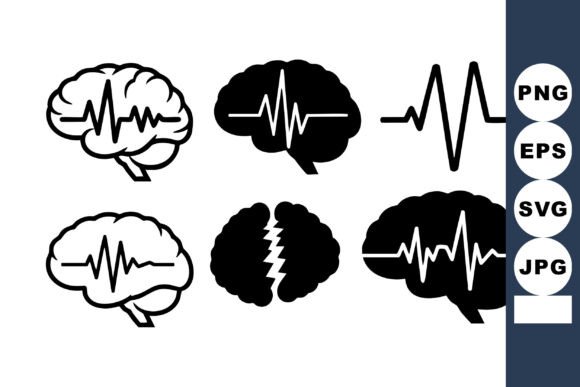
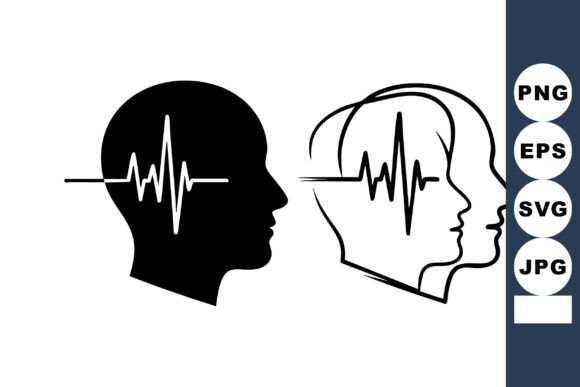
When I opened Mental Health Brainwave Design, my immediate reaction was relief — not the kind tied to urgency or crisis, but the quiet confidence of a well-considered graphic design asset. A clean black-and-white composition featuring interwoven male and female head silhouettes, overlaid with rhythmic brainwave pulses, lands with grounded intention. It doesn’t shout; it invites. That’s rare in today’s oversaturated visual landscape — especially for mental health topics, where tone missteps can alienate or trivialize. This creative design strikes a precise balance: clinical enough to signal credibility, warm enough to foster empathy, and minimalist enough to scale across platforms without visual noise.
Real Project Fit: Launching a Mindful Product Line for Coaches & Creators
I recently used Mental Health Brainwave Design as the anchor visual for a digital product launch: a 6-week guided journaling toolkit for online coaches and creative entrepreneurs. Our goal? Position the offering as both evidence-informed and deeply human — not clinical jargon, not fluffy inspiration. We embedded the design into Canva templates for Instagram carousels, Pinterest pins, email headers, and printable reflection worksheets. Instantly, it elevated our content marketing from “generic self-care” to “thoughtfully crafted support.” The black-and-white simplicity meant zero color-clashing with our brand palette (soft sage + warm charcoal), and its symmetry created instant visual hierarchy — guiding eyes to headlines and CTAs without competing.
Where It Strengthens Brand Identity — and Where It Doesn’t
Mental Health Brainwave Design shines brightest in contexts where clarity, compassion, and consistency matter most:
- Social media graphics: Perfect for Instagram posts, Facebook ads, and LinkedIn banners — especially when paired with short, empathetic copy.
- Pinterest pins & blog headers: Its high-contrast silhouette reads instantly at thumbnail size, boosting click-throughs.
- Printable designs & lead magnets: Works flawlessly as a subtle watermark, corner accent, or section divider in PDF workbooks and checklists.
- Packaging accents & merch: Adds quiet authority to wellness product labels, sticker sheets, or notebook covers — no overdesign needed.
- Editorial design & media kits: Serves as a trusted visual shorthand for mental wellness topics in newsletters, press releases, or speaker one-sheets.
But be intentional: avoid using it in logo design (too detailed for scalability), dense infographics (it lacks data-layer flexibility), or formal corporate reports (where literal brain imagery may feel reductive). It also loses impact on low-contrast backgrounds or in tiny mobile ad formats — always preview at 50% size before finalizing.
Marketing Goals It Directly Supports
This isn’t just decoration — it’s functional commercial design. When applied strategically, Mental Health Brainwave Design delivers measurable value:
- Stronger first impression: Signals subject-matter awareness before a single word is read.
- Better audience trust: Its balanced, non-stereotypical representation (gender-inclusive, non-pathologizing) builds authenticity with modern consumers.
- More consistent branding: As a recurring motif across touchpoints, it reinforces thematic cohesion — especially valuable for small business branding.
- Improved engagement: Clean lines and symbolic resonance increase dwell time on social posts and email banners.
- Professional appearance: Elevates DIY content (like Canva templates or printable promotions) to feel studio-crafted — critical for digital sellers and product creators.
Practical Designer Notes You Can’t Skip
Before dropping Mental Health Brainwave Design into your next campaign, run these checks:
- Test against your full brand color palette — does it hold up next to your primary, secondary, and neutral tones?
- Verify black-and-white usage — since it’s monochrome, ensure it doesn’t disappear on dark mode or grayscale printouts.
- Mock it up in real context — drop it into a live Instagram Story template or packaging mockup (not just a blank canvas).
- Preview on mobile — does the brainwave rhythm remain legible at 200px width?
- Compare with competitors — does it stand out as distinct, not derivative, in your niche?
- Pair it with fonts — try it beside serif (for editorial weight), sans serif (for modern clarity), and even restrained script (for gentle warmth). Avoid heavy display fonts that fight its quiet energy.
- Review spacing & balance — its symmetry works best with generous negative space. Don’t crowd it.
- Confirm commercial license — this is essential if using in client work, paid ads, or any digital product you sell. Verify usage rights in your creative marketplace purchase.
Why It Belongs in Your Design Assets Toolkit
For brand owners, bloggers, and digital sellers building authentic connections around mental wellness, Mental Health Brainwave Design isn’t just another clipart file — it’s a strategic design bundle component. Whether you’re designing a packaging design for herbal tea blends, crafting social media graphics for a therapy practice, or building a Canva template library for course creators, this SVG design and PNG design offers rare versatility: professional enough for web design and digital ads, warm enough for lifestyle content and handmade products, and symbolic enough to resonate across cultures and age groups. In an era where audiences scroll past anything that feels generic or emotionally tone-deaf, this illustration earns attention by honoring complexity — quietly, cleanly, and with unmistakable purpose.