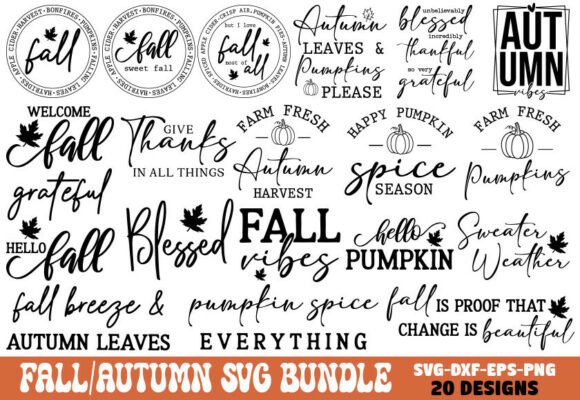
Fall Autumn SVG Bundle
First Impressions: Warm, Welcoming—But Does It Stitch Well?
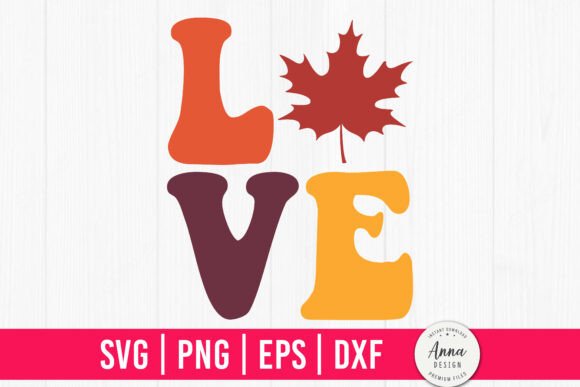
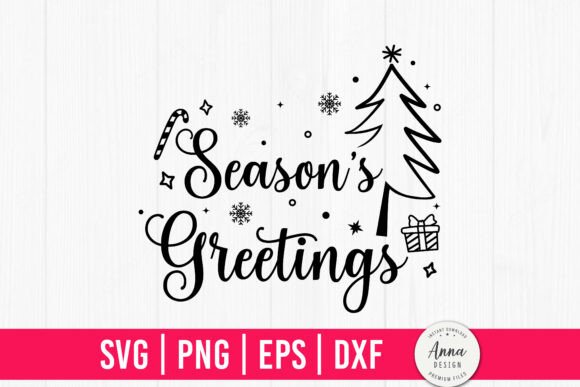
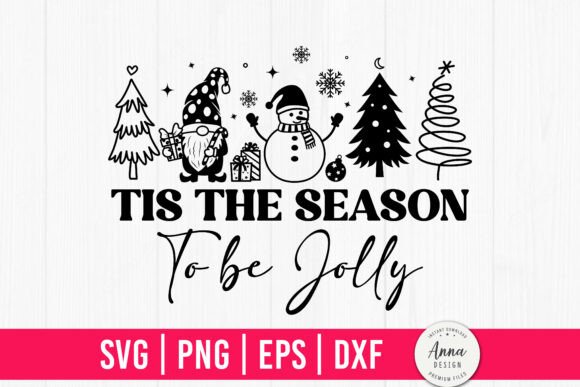
Opening the Fall Autumn SVG Bundle, I felt that familiar seasonal lift—the kind you get when crisp air hits your cheeks and maple leaves glow under afternoon light. Visually, it’s cohesive: layered leaves, subtle acorns, soft script phrases like “harvest” or “cozy,” and gentle botanical outlines. It leans rustic but not overly distressed, modern but not sterile. As a designer who regularly translates digital graphics into machine embroidery designs, my first question wasn’t *“Is it pretty?”*—it was *“Will this hold up in satin stitch on a textured sweatshirt?”*
A Real Project Test: Embroidering a Linen Kitchen Towel
Last week, I prepped a small-batch run of embroidered kitchen towels for a local boutique—linen blend, medium weight, light oat color. I chose one of the simpler motifs from the Fall Autumn SVG Bundle: a single maple leaf with a delicate vine curling beneath. Not too dense. Not too tiny. Just right for a functional, handmade product.
Here’s what happened: the outline cleaned up beautifully in satin stitch, but the inner vein detail—fine as it looked on screen—disappeared entirely after hooping and stitching. Why? Because the original vector lines were thinner than 0.3mm, and my embroidery software converted them to running stitches too sparse to register on fabric. That’s not a flaw in the Fall Autumn SVG Bundle itself—it’s a reminder that SVGs are *print templates*, not embroidery files. They’re built for cutting machines (Cricut, Silhouette), not direct needlework. So if you’re planning embroidery, treat this bundle as raw design assets—not plug-and-play stitch files.
Where It Shines (and Where It Needs Caution)
The Fall Autumn SVG Bundle works best when you adapt it intentionally—not copy-paste. Here’s how it performed across real use cases:
- Custom apparel: Great for oversized chest placements on crewneck sweatshirts—especially the bolder leaf clusters. Avoid placing near seams or curved hems unless you’ve adjusted spacing for fabric stretch.
- Tote bag design: Perfect. The clean lines and moderate scale hold up well on canvas or heavy cotton duck. I digitized one motif into a balanced fill-stitch patch and stitched it onto a natural linen tote—clean edges, no puckering.
- Baby embroidery: Use with care. The smaller script elements (“autumn days,” “little acorn”) need simplification before stitching on onesies—tiny lettering frays easily on knit fabrics without proper stabilizer and reduced stitch density.
- Embroidered patch: Ideal base shape. I traced the largest leaf silhouette, added 1/8" seam allowance, and ran it as an applique design—fabric-backed, satin-stitched edge. Held up through three rounds of washing.
- Holiday embroidery & personalized gifts: Strong emotional resonance. Customers respond to the warmth, not just the imagery. A tea towel with a single stitched phrase from the bundle (“gather,” “home is where the harvest is”) feels intentional—not generic.
What to Watch For Before You Stitch
This isn’t about limitations—it’s about intentionality. The Fall Autumn SVG Bundle gives you flexibility, but only if you know where to intervene:
- Stitch density matters more than visual complexity. Dense fill areas in the original SVG may translate to heavy, stiff embroidery on lightweight fabric. Always check thread coverage in your digitizing software before sending to the machine.
- Hoop size isn’t implied. Some motifs span 4"x4", others fit comfortably in 2.5"x2.5". Measure before prepping your hoop—especially for caps or baby hats.
- Dark fabric demands contrast testing. That lovely burnt-orange leaf looks rich on screen—but on navy twill, it needs either lighter thread or a white underlay. Don’t assume.
- Curved surfaces change everything. A design that flows on flat fabric can warp on a baseball cap crown. Simplify curves or break motifs into segments for better registration.
- Licensing isn’t embedded in the file. Since this is labeled a Graphics / Print Templates product, verify commercial use rights before selling finished embroidered items or bundling the SVGs into your own digital product. When in doubt, contact the seller.
Design Integrity Meets Handmade Value
What makes the Fall Autumn SVG Bundle stand out isn’t novelty—it’s quiet consistency. The shapes breathe. There’s rhythm in the repetition, balance in the asymmetry. That translates directly to perceived value in a finished product. A customer holding a sweatshirt with a thoughtfully scaled, cleanly stitched leaf from this bundle doesn’t see “clip art”—they feel seasonality, care, and craft.
For Etsy sellers and small shop owners, that distinction builds trust. It’s why I use motifs from this bundle in printable mockups *before* stitching—so clients preview how “cozy” reads in context, not isolation. And for craft fair shoppers? They’re drawn to pieces where the design supports the object, not overpowers it. A linen pillow cover with a single, softly digitized acorn motif? Yes. A full-front overload of every element in the bundle? No.
Practical Designer Notes (From My Hoop to Yours)
Before using the Fall Autumn SVG Bundle in any embroidery project:
- Test on scrap fabric—same weight and weave as your final piece.
- Check thread color contrast in both natural and artificial light.
- Review stitch density: aim for 10–12 stitches/mm in satin areas; reduce fill density by 15–20% on knits.
- Confirm hoop size compatibility—especially for layered garments or curved items like aprons.
- Inspect small details at actual stitch size: zoom in on your embroidery software preview, not the SVG thumbnail.
- Try black-and-white mockups: if the design loses legibility without color, simplify before digitizing.
- Use cutaway stabilizer for structured items (totes, patches), tear-away for softer pieces (tea towels, baby blankets).
- Verify licensing—this is a digital embroidery file source, not a finished machine embroidery design. Know what you’re allowed to do with it commercially.
Final Thought: A Solid Foundation, Not a Finished Answer
The Fall Autumn SVG Bundle won’t replace your digitizing skills—but it will reward them. It’s a thoughtful collection of Graphics, built for clarity and seasonal warmth. Used with attention to fabric, stitch behavior, and audience, it becomes more than decoration. It becomes part of the story your handmade product tells—and that’s exactly where great embroidery begins.